
Comparing Brazilian Jiu Jitsu to Other Martial Arts: What Sets It Apart?
The Unique Ground Game
Brazilian Jiu Jitsu (BJJ) is renowned for its exceptional ground game, setting it apart from many other martial arts that focus more on striking and standing techniques. BJJ emphasizes grappling, submissions, and control on the mat. This focus allows practitioners to effectively defend themselves against larger opponents by using leverage and technique rather than strength.

Leverage Over Strength
In contrast to martial arts like Karate or Taekwondo, which often rely on striking power, BJJ teaches practitioners how to use leverage to overcome strength. This principle is crucial as it enables a smaller individual to control and submit a larger opponent. The emphasis on technique over brute force makes BJJ accessible to people of all sizes and ages.
Practical Self-Defense
BJJ's emphasis on ground fighting makes it particularly effective for real-world self-defense scenarios. Many altercations end up on the ground, where BJJ practitioners are trained to excel. This contrasts with martial arts that focus predominantly on stand-up fighting, leaving practitioners potentially vulnerable once a fight transitions to the ground.

Submissions and Control
Brazilian Jiu Jitsu teaches a variety of submission techniques, such as chokes and joint locks, to neutralize an opponent. These techniques allow for a fight to be ended quickly and efficiently. The art also prioritizes positional control, teaching students how to maintain dominant positions to manage a situation effectively.
Evolution and Adaptability
BJJ is continually evolving, incorporating techniques from various disciplines. This adaptability ensures that practitioners are always learning and improving. Unlike some traditional martial arts that may adhere strictly to historical techniques, BJJ encourages innovation and adaptation.
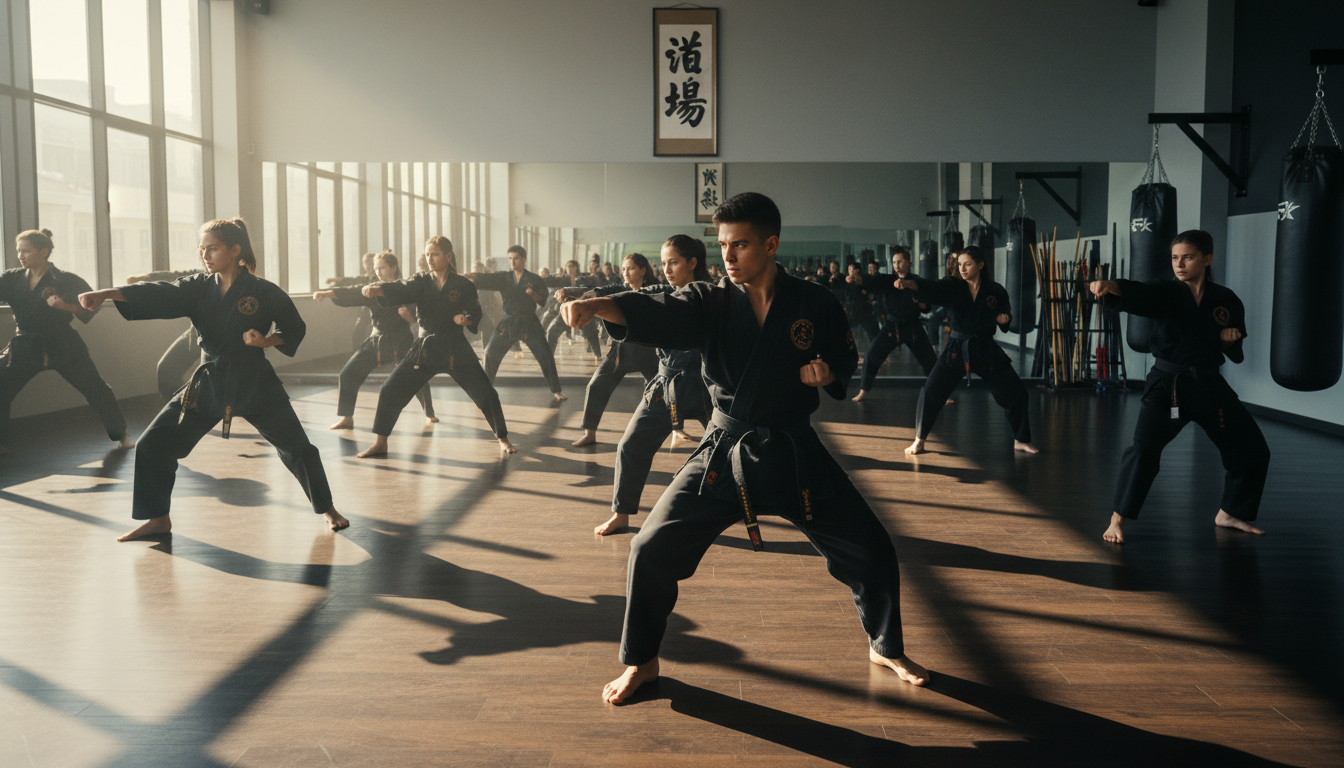
Community and Lifestyle
The BJJ community is known for its welcoming and inclusive nature. Practitioners often describe it as a lifestyle rather than just a sport. The camaraderie and support found within BJJ gyms foster a positive environment for personal growth and development.
Competitive Edge
BJJ offers a robust competitive scene, with tournaments worldwide that test practitioners' skills in a controlled environment. This competitive aspect provides motivation for continuous improvement and a clear measure of progress. Unlike some martial arts that may not have as many competitive opportunities, BJJ’s tournament circuit is dynamic and diverse.

Conclusion
Brazilian Jiu Jitsu's focus on ground fighting, leverage, and adaptability sets it apart from other martial arts. Its practical applications in self-defense, coupled with a strong community and competitive opportunities, make it a unique and appealing choice for martial artists of all levels. Whether for self-defense, fitness, or competition, BJJ offers something for everyone.